
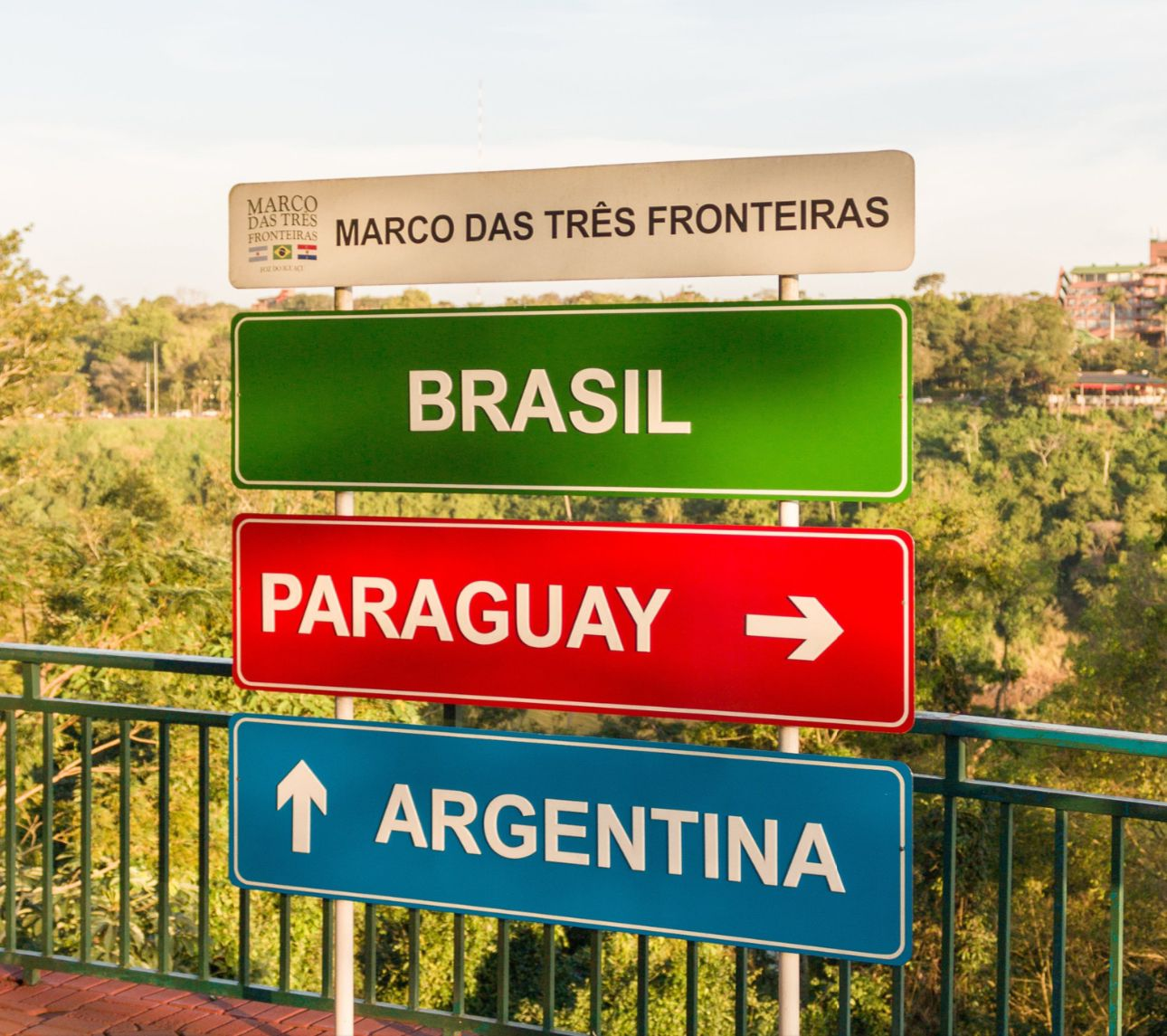

The presence of Argentines surpasses that of Paraguayans on Brazil's borders, with the country becoming an attractive option for the Argentines.
In 2024, the migratory flow in Brazil broke records and grew by 15%. According to data released by the Federal Police, Argentines were the ones who came the most to Brazil, totaling almost 4 million entries into the country.
At the two customs points of the Triple Frontier, Argentine migration exceeds that of Paraguayans, because vacations on the Brazilian side of the border have a greater exchange rate advantage, due to the high cost of living in Argentina. According to the H2Foz report, the preferred destinations for Argentines in Brazil are the beaches in Paraná, Santa Catarina and Rio de Janeiro.
Prices are more competitive in Brazil
In addition to tourism, many Argentines are taking advantage of the opportunity to purchase products at lower prices in Brazil or even to spend extended periods, including working remotely (digital nomads). The fiscal adjustment and deregulation policies of Javier Milei's government have made Argentina a more expensive country for both residents and visitors.
In a comparative measurement made by InfoMoney, even the prices of the Big Mac, a McDonald's sandwich, have increased significantly: costing US$7,37 in Argentina, at the official exchange rate, while in Brazil it costs US$4,49, a difference of almost half the price.
Plans to increase border control in Argentina
However, despite the increase in migratory flows and a greater demand from Argentines for Brazilian tourism, the Argentine government is currently making plans to increase control and reduce border flows by establishing greater obstacles to migration with Brazil, including the possible construction of more physical barriers.
It is important to highlight that this measure contradicts the principles of dialogue, cooperation and integration of Mercosur, which essentially aim to facilitate free movement and regional immigration between nationals of countries that are part of the agreement, such as Brazil and Argentina.
The restrictions could affect both the Brazilian and Argentine economies and generate diplomatic tensions between the Mercosur member countries. It is worth noting that Argentina is Brazil's third largest trading partner and that Brazil is in first place in terms of trade with its neighboring country, Argentina.
While measures to control the flow of people and capital do not intensify or have any effect, the migration of Argentines to Brazil in search of better economic conditions, tourism and greater purchasing power tends to increase in 2025.
How the Argentine government will choose to deal with this scenario, whether or not it honors Mercosur integration principles, is still uncertain.

0 comments